(Bloomberg) -- Two liquefied natural gas tankers from Qatar in the Persian Gulf have switched to Pakistan as their next destinations after appearing to abort an earlier attempt to leave via the Strait of Hormuz.
The Al Daayen and Rasheeda had u-turned away from the strait after earlier heading eastward to the waterway, according to ship-tracking data compiled by Bloomberg, in the first attempt to export the fuels from the Persian Gulf since the Iran war began. They had each loaded LNG from Qatar’s export plant in late February, ship data shows.
So far, no loaded LNG tanker has passed through Hormuz since the US and Israel began strikes on Iran in late February. It isn’t clear if the ships will try again to pass through the strait, and the ship’s destinations are not final and could change their indicated port of call at any time. The Al Daayen was earlier signaling delivery to China.
The effective closure of the key waterway near Iran and the Arabian Peninsula has choked off energy flows to global markets, disrupting about a fifth of the world’s supply of LNG. Another tanker, which appeared to not be carrying a shipment, passed through the strait over the weekend.
Qatar has delivered two LNG shipments to Kuwait over the past few weeks, according to ship-tracking data compiled by Kpler. These supplies were likely loading from Qatar’s storage tanks, and don’t require traversing Hormuz.
Meanwhile, the vessels’ shift in destination to Pakistan — a major buyer of Qatari LNG — may be part of an effort to secure passage through the strait. Bloomberg reported last week that Pakistan is weighing options including allowing other ships to carry critical cargo under its flag, after Iran said it would permit 20 Pakistani vessels to transit the Strait of Hormuz.
Tracking vessel movements around the Persian Gulf can be inexact because of the potential for electronic interference with ship signals and the intentional disablement of transponders by pilots sailing through risky zones.
Seapeak manages Al Daayen, and Nakilat owns Rasheeda, according to ship database Equasis. Neither company immediately responded to a request for comment.
Transit through Hormuz would be a shot in the arm for Qatar, which supplied nearly a fifth of all LNG last year, even as the country’s Ras Laffan export plant has been shut for over a month due to Iranian attacks. This could allow Qatar to send more shipments that are already loaded and waiting within the Persian Gulf, or offload fuel from storage.
QatarEnergy, which operates Ras Laffan — the world’s largest LNG export plant — didn’t immediately respond to a request for comment.
LATEST POSTS
- 1
 the Wild in Style: The Reduced Portage Mustang's Bold Heritage
 - 2Nature carves colossal snowman in Siberia | Space photo of the day for Jan. 2, 2026
- 3Top 5 Top of the line Books of the Year
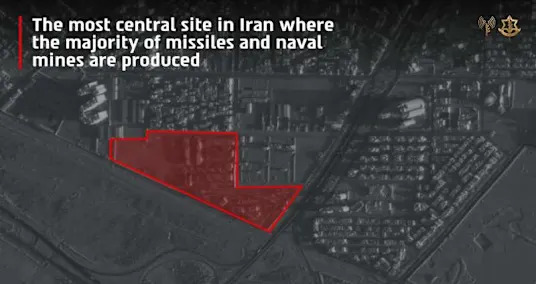
- 4IDF destroys regime's missile, sea mine production site in Yazd amid nationwide airstrikes
- 5Members of Kenya-led security mission in Haiti were involved in rapes, U.N. says



- How did I get my own unique set of fingerprints?
- The most effective method to Promoter for Cellular breakdown in the lungs Mindfulness in Your People group
- Chinese astronauts’ return to Earth delayed over fears spaceship damaged by debris
- Am I a Summer, or is this a scam? What I learned from color analysis.
- Best Getaway destination: Ocean side, Mountain, or City
- IDF, police arrest eleven for criminal, terror-related activity over weekend
- Vote in favor of Your #1 4\u00d74 SUVs
- Why this Iranian island looks like Mars after it rains
- Washington state experiences historic flooding as Skagit River hits record high level. See flooding maps, highway closures and forecasts.