EU member states agreed on Thursday to create a legal basis for the use of Russian state assets for Ukraine by majority vote, so as to permanently prevent the funds from being returned to Russia, the Danish EU presidency announced.
This means countries such as Hungary will not be able to veto future EU sanctions decisions extending the current freeze on Russian assets held in the bloc.
At present, Russian assets held in the EU are frozen under a sanctions mechanism that needs to be renewed every six months - an arrangement that prevents the planned use of Russian assets to fund long-term credits for Ukraine.
To block the money indefinitely, member states are invoking a legal article allowing the adoption of appropriate measures by a majority - at least 15 of the EU's 27 states, representing 65% of the bloc's population - in the event of severe economic difficulties.
According to the legal text, Russia's war on Ukraine is causing severe economic challenges. The transfer of funds to Russia must therefore be urgently prevented to limit harm to the EU economy.
The regulation is set to be adopted before an EU summit in Brussels next week.
By then at the latest, backers of the plan - including German Chancellor Friedrich Merz - also hope to win over Belgian Prime Minister Bart De Wever for the proposed loan scheme.
Without Belgium, where the lion's share of Russian funds earmarked for Ukraine is held by Euroclear, the implementation of the scheme is considered extremely difficult.
Euroclear holds about €185 billion ($217.5 billion) of a total €210 billion in Russian assets held in the EU.
The Belgian government has so far blocked the plan, citing legal and financial risks.
It fears in particular that Moscow could retaliate against European private individuals and companies, for example through expropriations in Russia.
De Wever has set three conditions for Belgian participation.
There must be a guarantee that all potential risks are mutualized among member states and that sufficient financial guarantees are in place from the start to meet any obligations.
He also called for comprehensive liquidity and risk protection for all citizens or companies affected by the plan, and for the involvement of all other EU countries where Russian central bank assets are frozen.
That includes Germany, France, Sweden and Cyprus, according to the European Commission.
Thursday evening, EU Commission President Ursula von der Leyen said Belgium's concerns were understood and a solution is being worked on intensively.
Meanwhile, Hungary strongly rejected Thursday's decision, saying it is "deeply concerned by the recent tendency of circumventing unanimous decision-making procedures" in EU foreign and security policy.
The government stated that it reserves the right to challenge the decision at the European Court of Justice, the EU's top court.
LATEST POSTS
- 1
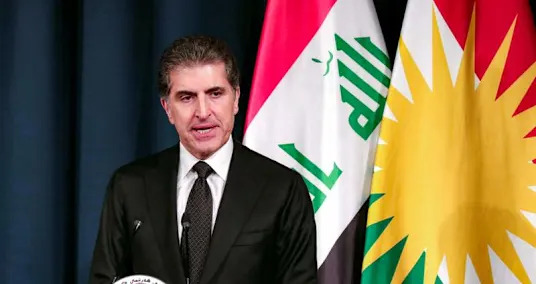
 Iranian-backed militias escalate in Iraq, targeting Kurdistan Region president Nechirvan Barzani
 - 2The last penny was pressed by the U.S. Mint in Philadelphia today. Could the nickel and dime be next?
- 3Party Urban areas of the World
- 4Report in relation to renaming Herzog Park set to be withdrawn
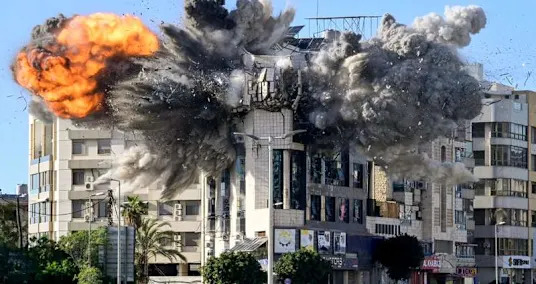
- 5Hezbollah field commander killed in IDF strikes in Beirut


- Creativity Revealed: A Survey of \Making Shocking Looks\ Cosmetics Item
- Vote In favor of Your Favored Distributed computing Administration
- Rick Steves Prefers Paying A Bit Extra For This Delectable Food When Dining In Spain
- Clones of Stumpy, Washington D.C.'s beloved cherry blossom tree, have flowered for the first time
- Fireballs and a full moon. Here’s how to see two celestial events this week
- 10 Asian Countries Perfect for Solo Female Travelers
- Global measles cases drop 71% in 24 years as vaccination coverage improves, WHO says
- 5 Most Expected Film Delivery
- Step by step instructions to Buy a Jeep Wrangler on a Senior's Spending plan